Choosing the Right Kitchen Countertops for Your Renovation

Updated: Mar 29
When designing a new kitchen or updating an existing one, choosing the right countertops is crucial. The countertops must complement the overall aesthetic and design direction of your kitchen. However, the material's durability and characteristics are equally important. Here, we will explore five popular kitchen countertop materials and what to expect when choosing one for your kitchen renovation project.
1. Laminate Countertops
Laminate kitchen countertops are budget-friendly options that come in various colors and designs. They are ideal for rental or investment properties, as they are inexpensive to replace and easy to install. However, keep in mind that laminate countertops are not as durable as other options. They lack heat resistance, so it's essential to use protective pads when placing hot cookware on them.
Pros and Cons of Laminate Countertops
Pros:
Affordable
Wide variety of designs
Easy to install
Cons:
Less durable
Not heat resistant
Can be scratched easily
2. Butcher Block and Reclaimed Wood Countertops

Butcher block and reclaimed wood countertops are also affordable alternatives for kitchen surfaces. Like laminate, wooden countertops work well for rental or investment properties due to their low replacement cost. Wood adds warmth to any space, making a reclaimed wood countertop a charming addition to a farmhouse kitchen. Additionally, a wooden countertop bar can enhance a media room or family room's aesthetics.
However, remember that proper maintenance is crucial. Regular use of food-safe wood sealers is necessary to prevent bacteria buildup. These countertops are not stain, scratch, or heat resistant, so it is wise to use hot pads and cutting boards to protect their surface.
Benefits of Using Butcher Block or Reclaimed Wood
Pros:
Warm, inviting appearance
Affordable option
Unique look for each piece
Cons:
Requires regular maintenance
Not heat resistant
Can harbor bacteria without sealing
3. Granite Countertops
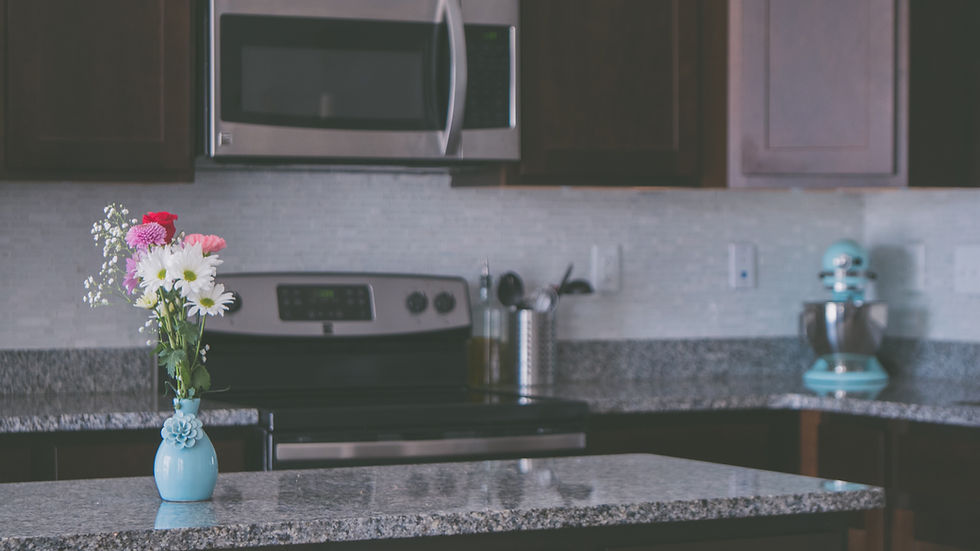
Granite is one of the most popular choices for kitchen countertops. Its durability and stain resistance make it a top contender. Granite is a natural stone that is cut into slabs, offering various stunning shades. Each slab has a unique appearance, adding character to your kitchen. Granite countertops can be used for both indoor and outdoor kitchens.
Although granite is easy to maintain, it is porous. This means that proper sealing at installation and resealing every 1 to 3 years is necessary to keep it in good condition. Granite slabs tend to be smaller, resulting in seams that may be visible. However, a professional installation can minimize the appearance of these seams.
Advantages of Granite Countertops
Pros:
Extremely durable
Stain and heat resistant
Unique design for each slab
Cons:
Requires sealing
Seams may be visible
Heavier material
4. Quartz Countertops

Quartz countertops are engineered surfaces made from natural quartz combined with other materials and pigments. They are highly recommended for kitchens due to their ease of maintenance and stain resistance. Unlike granite, quartz is non-porous, which means no sealing is required. It mimics the appearance of natural stone while being more budget-friendly than granite or marble.
Nevertheless, quartz countertops are not as heat resistant. Damage from high heat may be permanent, so using hot pads is crucial. Additionally, seams in quartz countertops can be more noticeable than those in granite or marble, making professional installation important for a polished look.
Features of Quartz Countertops
Pros:
Easy to maintain
Stain resistant
No sealing needed
Cons:
Not as resistant to heat
Seams can be visible
Higher cost compared to laminate and butcher block
5. Marble Countertops
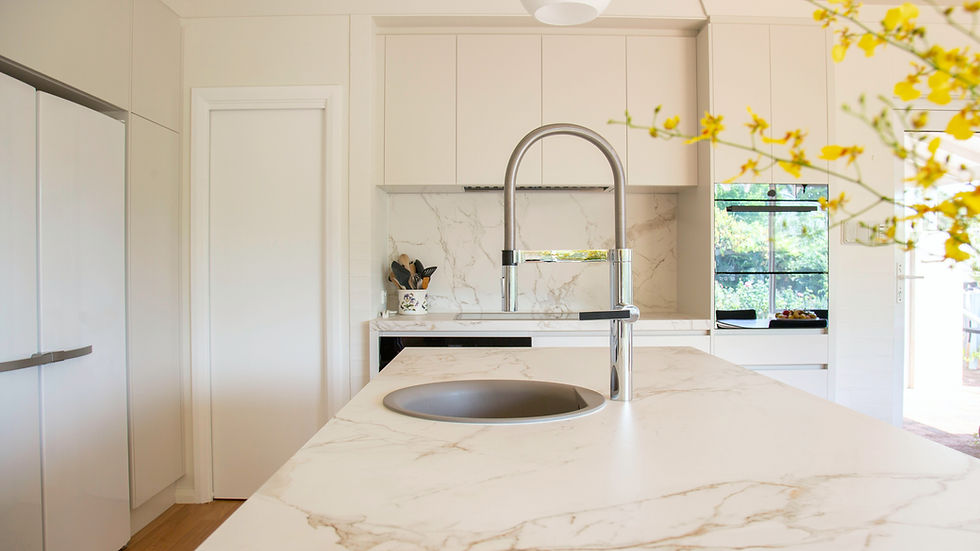
Marble is often considered the most luxurious and expensive option for kitchen countertops. With its soft, natural stone cut into slabs, marble brings elegance to any kitchen project. Each marble slab features unique veins and comes in various shades, enhancing the aesthetic appeal. Moreover, marble is heat resistant, adding to its allure.
However, it’s essential to recognize its downsides. Marble is porous, so regular sealing and proper maintenance are vital. It is softer compared to granite and quartz, making it more susceptible to chipping and staining.
Summary of Marble Countertops
Pros:
Luxurious appearance
Unique slabs with beautiful veins
Heat resistant
Cons:
Higher cost
Requires regular sealing
More prone to stains and chips
Conclusion
Choosing the right kitchen countertop material is crucial for your kitchen renovation project. Each material has its unique advantages and disadvantages. By understanding these characteristics, you can make an informed decision that suits your aesthetic and functional needs.
If you are considering a kitchen renovation, share your thoughts with us in the comments below! Which material do you like the most? For more insights on kitchen renovation, check out this resource.
Knowing the advantages and disadvantages of each countertop material is essential. It helps you to make the right choice for your kitchen.


Comments